
Lira Pair Spreads on MT4 Widen After Istanbul Closes and Before Asia Wakes
Late evenings in Turkey bring a recognizable shift to quote screens. Once domestic banks have wound down their trading desks and London has closed for the day, the gap between bid and ask on USD/TRY and EUR/TRY can grow noticeably, sometimes becoming much wider than during daytime trading. Anyone watching lira pairs regularly learns to expect this widening as surely as they expect the session to change.
Liquidity in lira pairs is concentrated in relatively few places. Turkish banks, London-based emerging market desks, and other global institutions contribute to two-way pricing, with activity often concentrated during Istanbul and European hours. New York maintains some interest during its morning, but by late afternoon on the US east coast, few dealers are keen to quote tight prices on a currency whose home market is asleep. Retail brokers can pass that thinning through to clients using MT4.
Daily forex rollover generally occurs at midnight Turkish time during US daylight saving time or 1 a.m. during US standard time, when positions held overnight may be charged or credited swap and liquidity providers adjust their books. Spreads across many pairs can widen during this window, with less liquid currencies often experiencing larger increases. Traders scanning the spread column in the Market Watch window around this hour may see unusually wide lira spreads before conditions gradually improve.
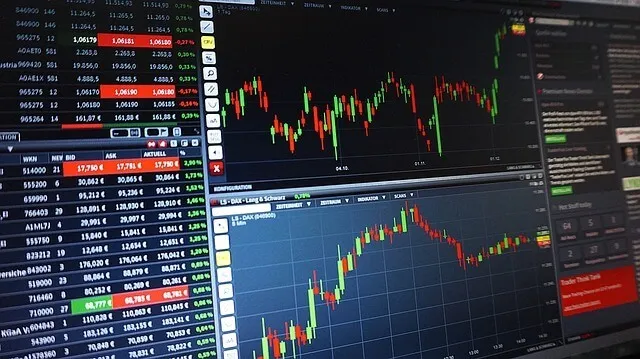
Image Source: Pixabay
Chart behavior can hide what is actually happening. Default MetaTrader charts plot only the bid price, so a spike in the ask during the rollover may never appear on screen. A short position with a stop-loss above the market is closed when the ask reaches that level, which means a trader can wake up stopped out even though the visible bid chart never touched the stop. Enabling the ask line in chart settings can make the current bid-ask difference easier to see, although it does not provide a complete historical record of ask-price movements.
Thin conditions also magnify genuine moves. During the August 2018 currency crisis, the lira experienced sharp moves outside normal Turkish trading hours, when thinner liquidity could amplify an already volatile situation. Policy announcements, political headlines or ratings decisions that land outside Istanbul hours carry similar potential, because there is little depth in the market to absorb a sudden wave of orders.
Some lira traders adjust their habits around these hours. Some avoid opening or closing positions during thin overnight trading, while others account for temporary spread expansion when setting stops, recognizing that wider stops increase potential losses. Some Expert Advisors running on MT4 include a maximum spread filter designed to prevent new entries when the quoted spread exceeds a set threshold. Others simply close lira exposure before evening, accepting missed moves as the price of avoiding unpredictable fills. Spreads ultimately reflect how much a dealer charges for the risk of providing immediate execution, and that charge rises whenever the people who normally compete to supply liquidity step away. For a currency like the lira, whose liquidity is concentrated around Turkish and European trading hours, the quieter overnight period can be among the more expensive times to transact.